
~ Stories from Visits to Charitable Organizations ~
Every winter, the German Embassy’s Charity Christmas Bazaar brings lights, delicious food and laughter—a warmth that has endured for 31 years. Why do we call it a charity bazaar? Where does the goodwill it gathers ultimately go? To find out, volunteers from the bazaar’s charity team spent the past year visiting the organizations it supports, listening to their everyday stories and learning about lives that too often go unseen.
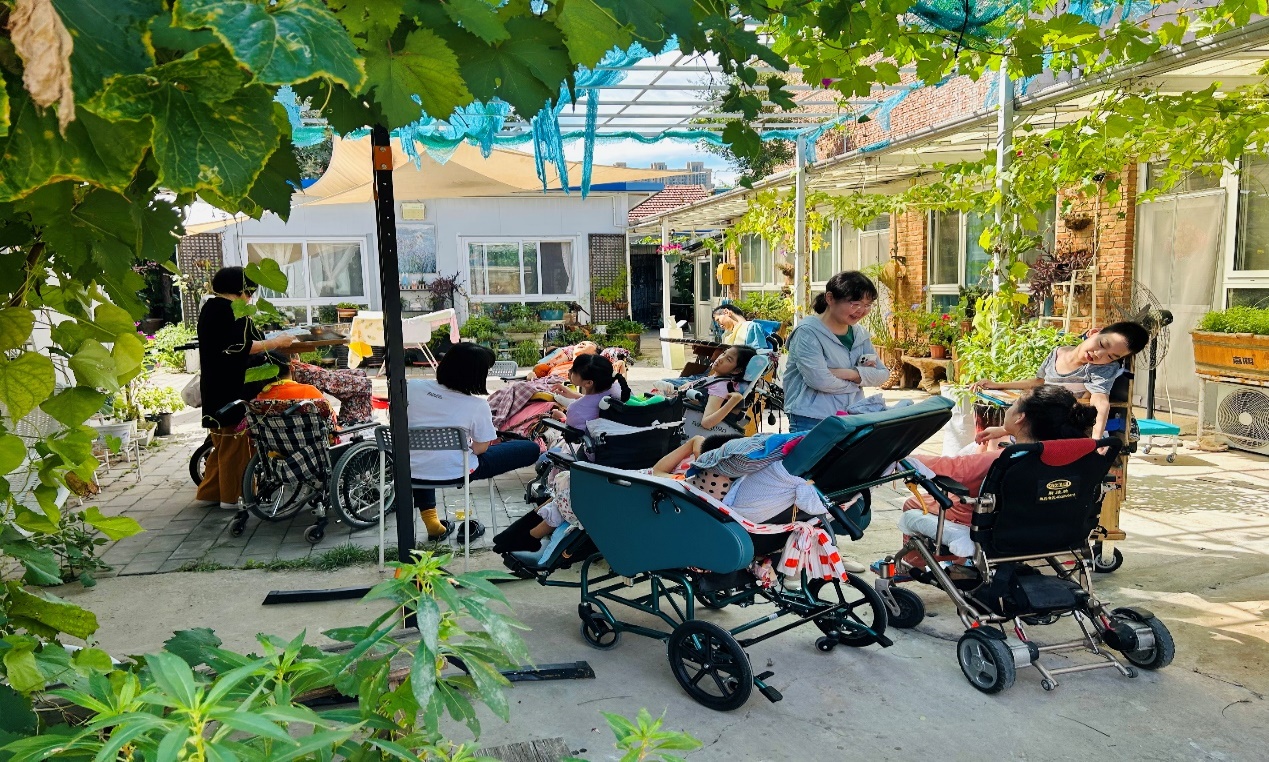
At Living Tree, time seems to move to a different rhythm. The home provides long-term care for children and young people with moderate, severe or very severe cerebral palsy. Many cannot turn over, sit up or express their needs independently; some are fed through a gastric tube and cannot even say, “I don’t feel well.” Caregivers must recognize discomfort and needs in a glance or the slightest movement. This care continues day and night. Yet what we saw were clean clothes, peaceful smiles and an orderly daily life. Behind that calm lie more than a decade of unwavering dedication from Mrs Kou, the caregivers and volunteers: keeping a home for these children that will not readily give up on them.
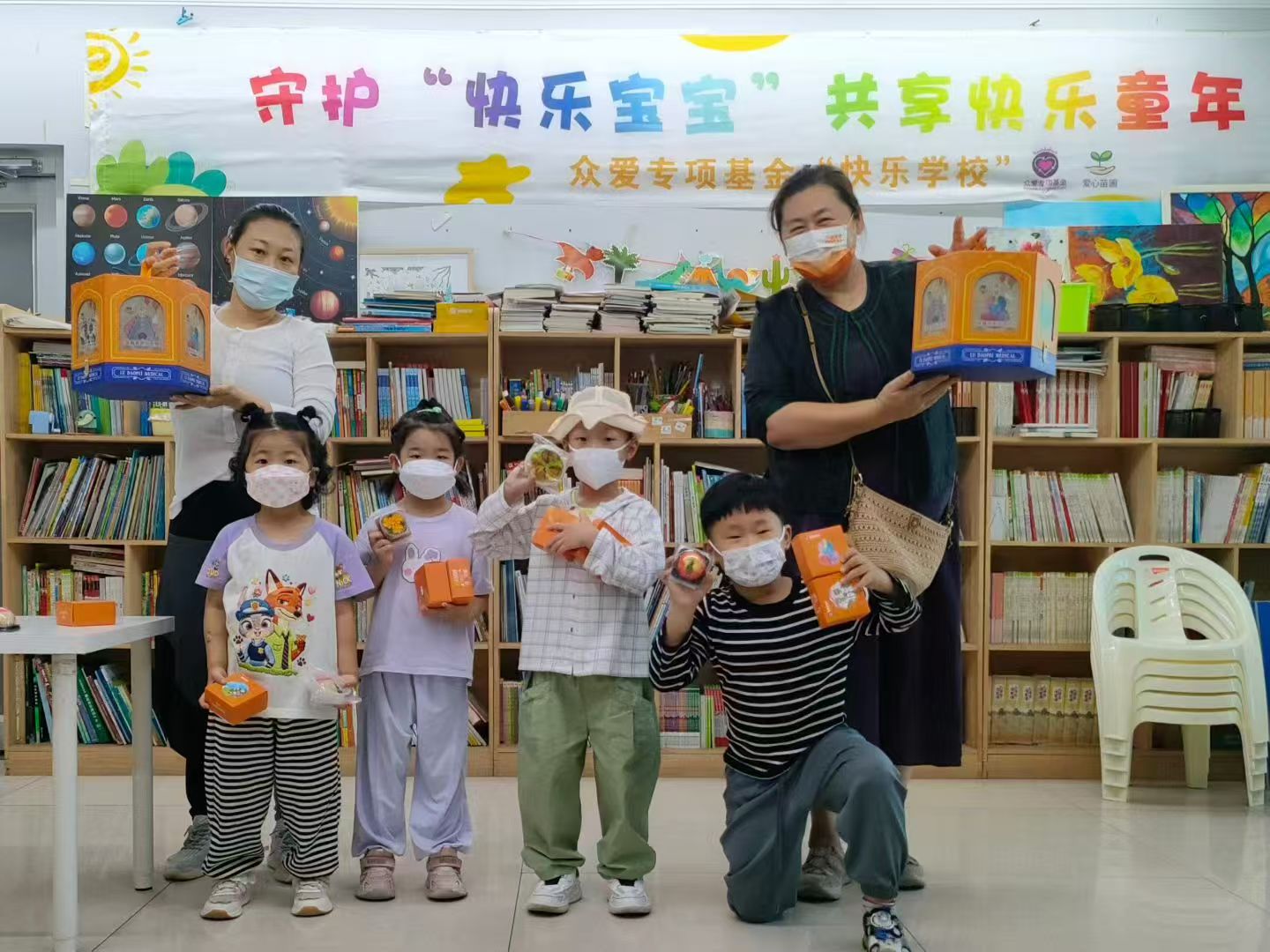
In Yanjiao, Hebei, hospitals, pharmacies and temporarily rented rooms make up almost the entire world of many families whose children have blood disorders. Treatment is lengthy and expensive. Repeated hospital stays exhaust savings and drive many families into poverty. Some mothers accompany their children alone, watching over their beds by day and calculating treatment costs and rent at night. Aixin Miaopu – Happy School, founded by Mrs Sun, is like another home far from home. Emergency aid, temporary accommodation, donated supplies and psychological support help families through immediate crises. Happy Home restores the joys of learning and play, while Life University and the E-commerce Alliance help parents learn skills and explore ways to earn a living. Most precious of all, people who once received help reach out to those who come after them—having walked the same road, they understand one another’s hardships.
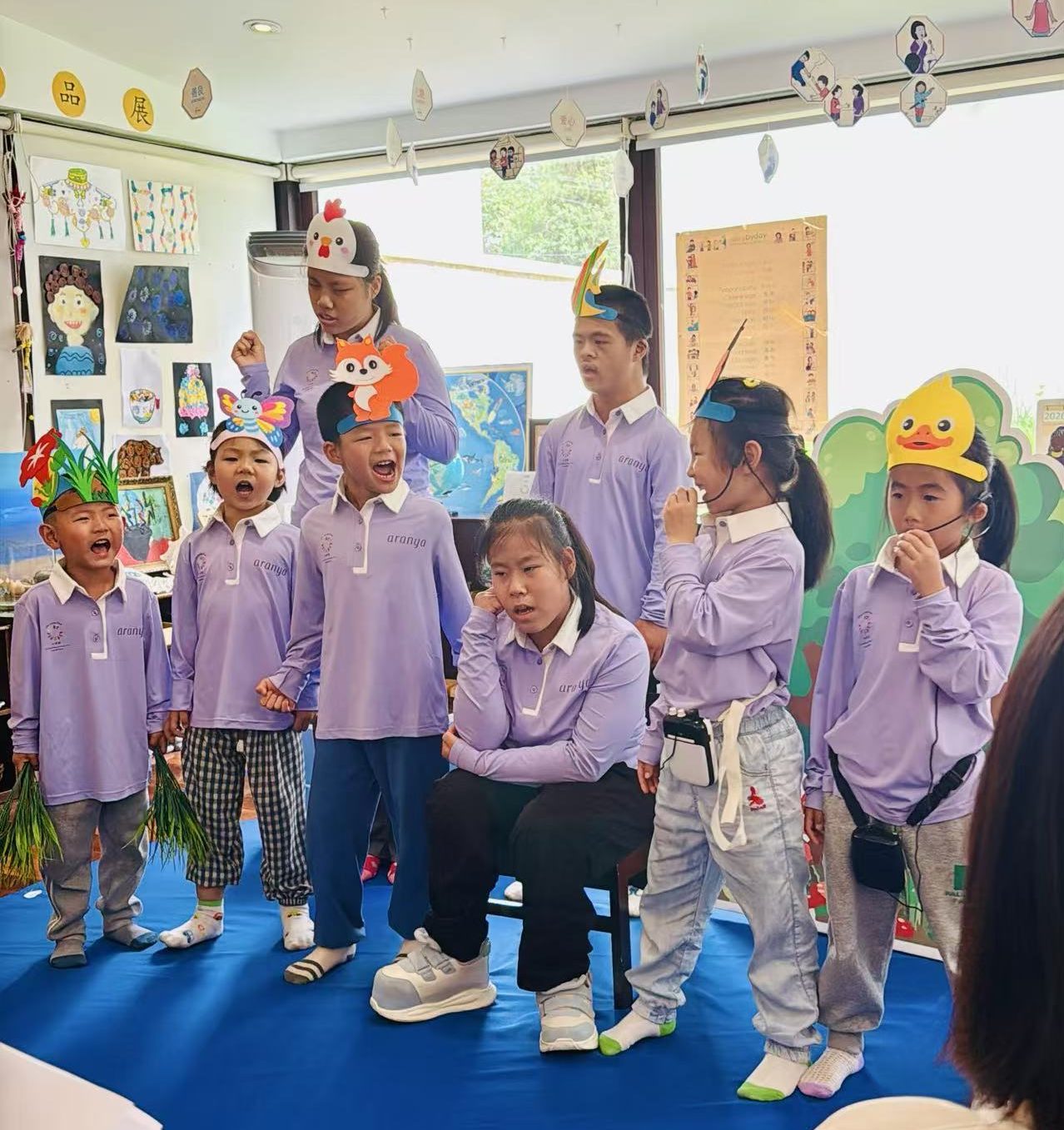
At Our Learning House, a blue floor mat becomes a little stage. Wearing animal headdresses, the children perform a musical with great concentration. Their movements may still be tentative, but their smiles shine brightly. The teachers combine Montessori education with special education, adapting each role to the child’s abilities and individual characteristics so that everyone has a moment to shine. We saw more than a performance: after Mrs Tang and the team’s sustained companionship and repeated practice, the children’s joy emerged naturally in a safe, accepting environment.
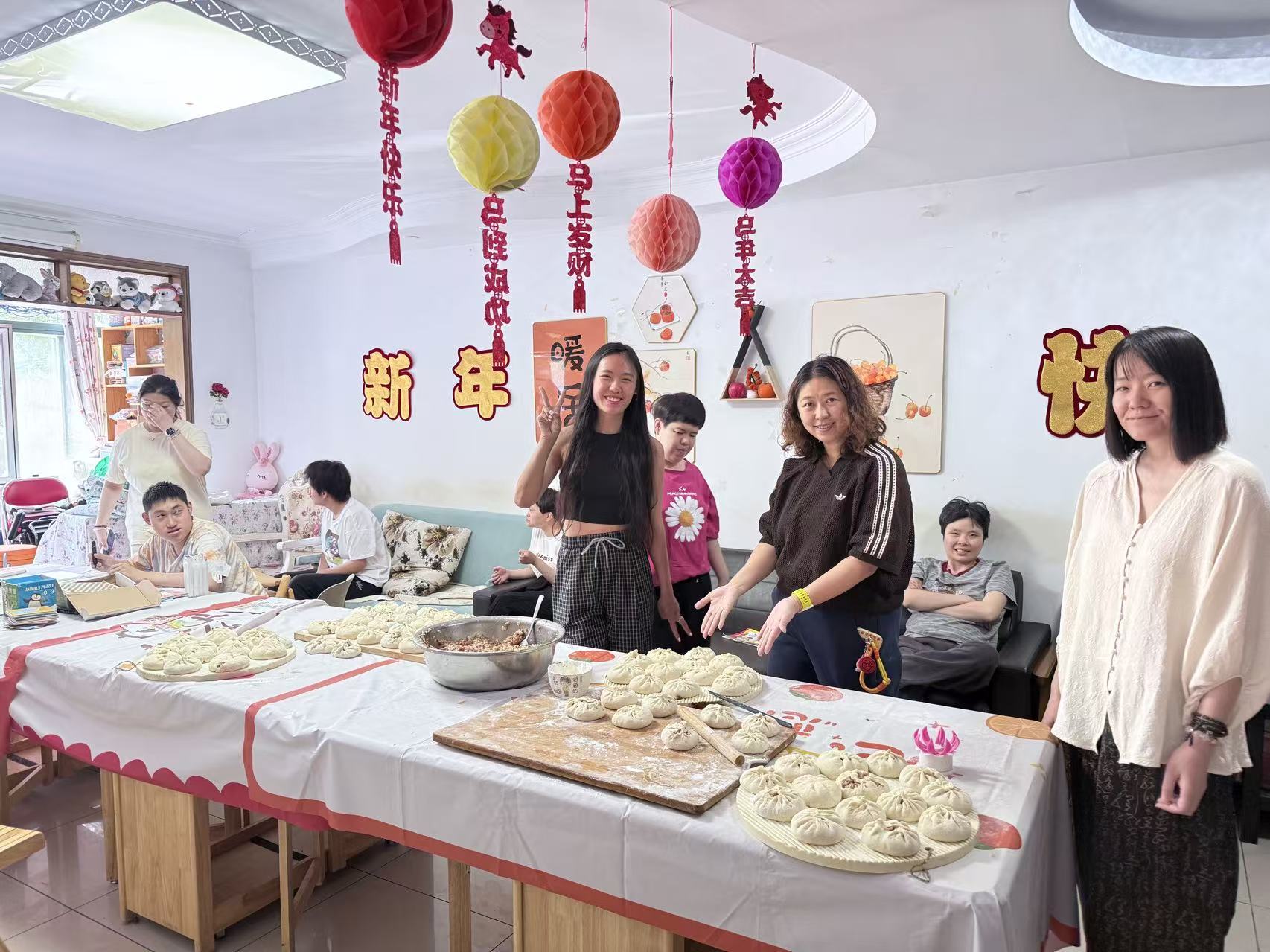
At Huiling, young people aged 14 and over with intellectual and developmental disabilities practise cooking, doing laundry, expressing emotions and getting along with others. Their parents’ deepest concern is: “When we grow old one day, who will be there for our children?” Mrs Wu and the team patiently repeat tasks dozens, even hundreds of times, helping them gradually learn to care for themselves and giving them opportunities to be understood and accepted by the community.
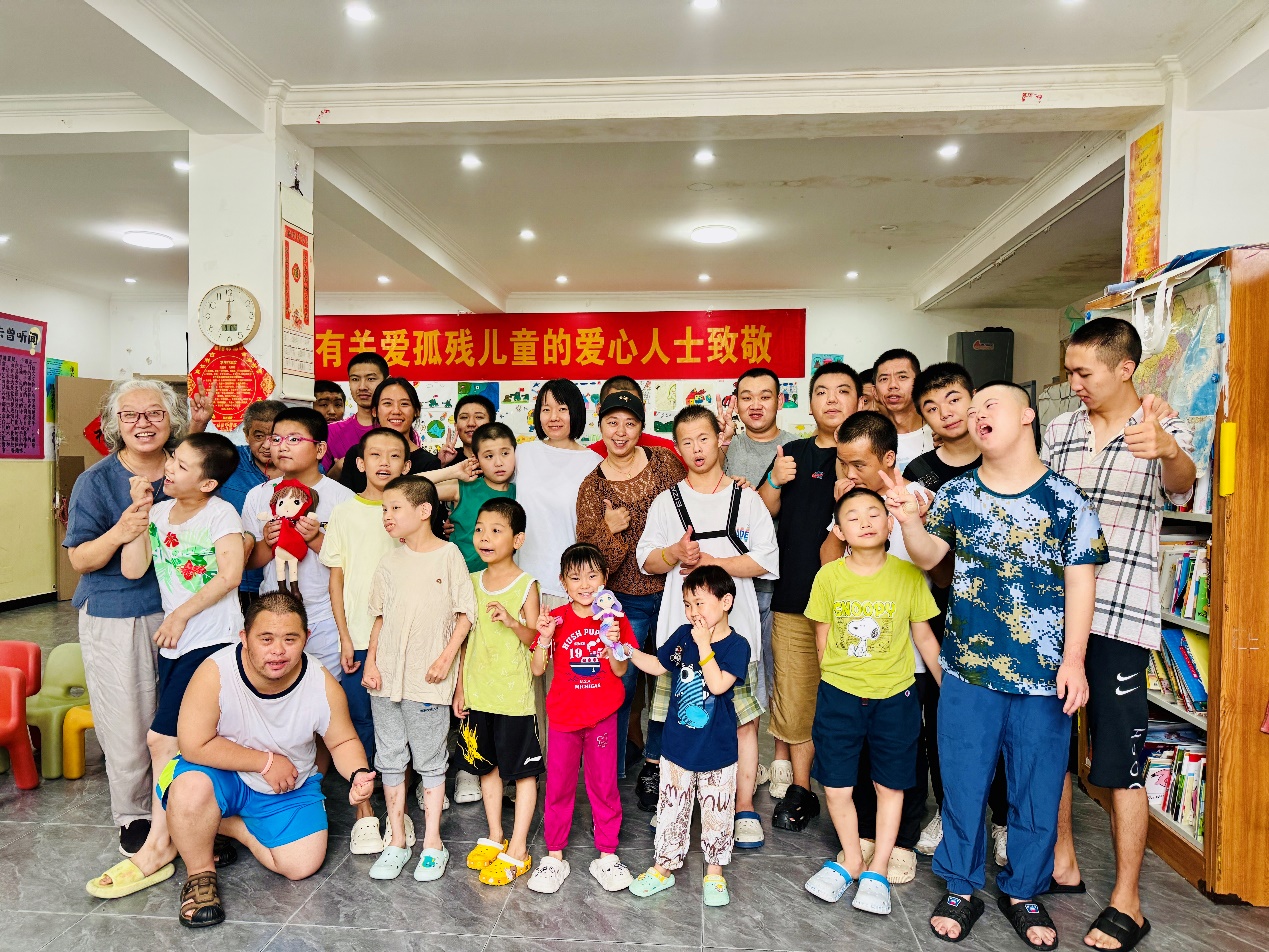
At Tianyun Rehabilitation Center, some children share their feelings through sign language, while others wear cochlear implants and work hard to recognize sounds and understand language. The center also supports children with intellectual disabilities, autism and other developmental difficulties. A greeting or a simple exchange may take a long time to master. Mrs Quan and the team help them find ways to communicate with the world, ensuring that every child’s voice deserves to be heard.
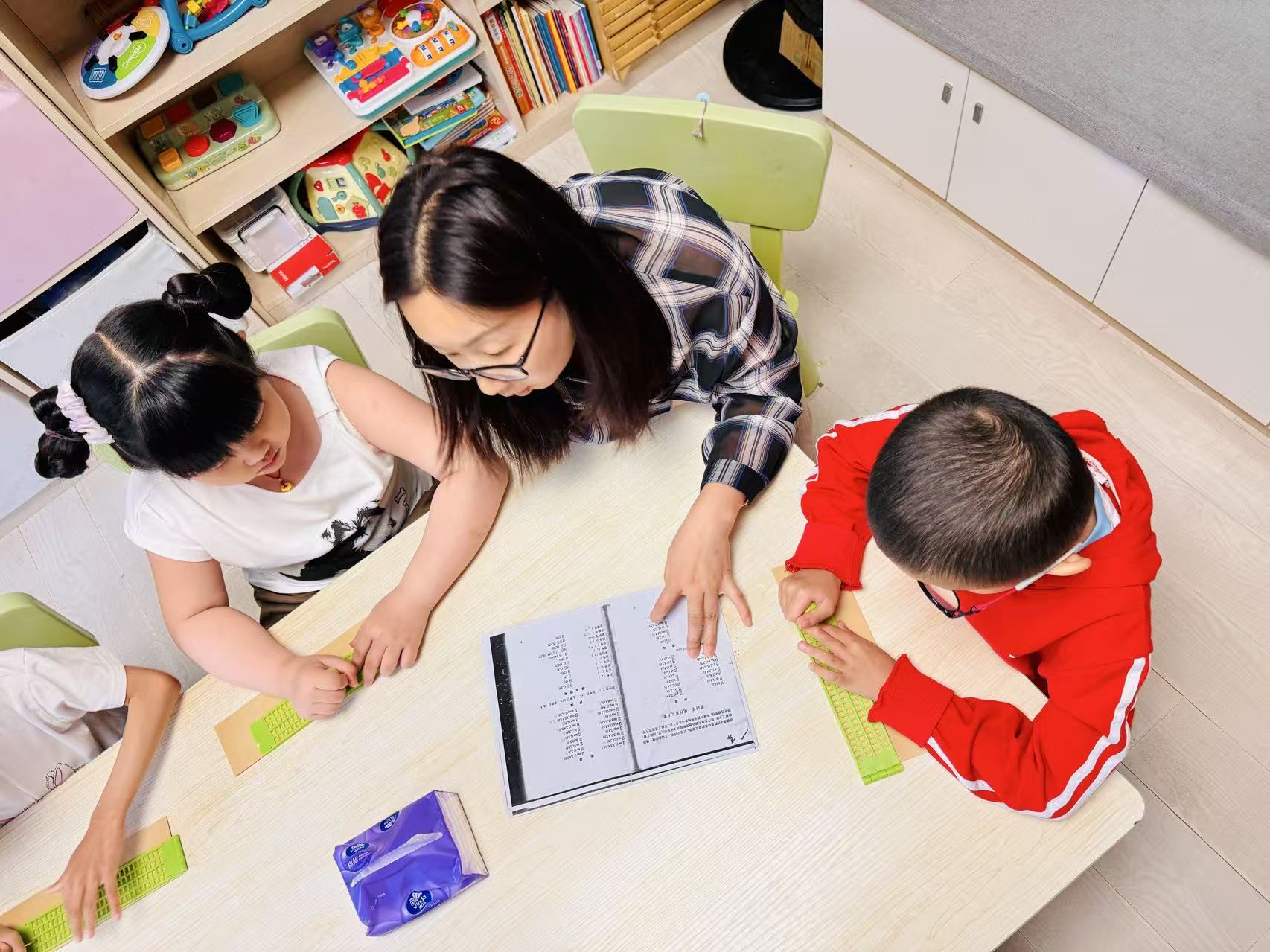
At Bethel, which serves children with visual impairments, children learn Braille, use white canes, play musical instruments and practise everyday self-care. Close your eyes and imagine: how would you find the door in an unfamiliar room or travel safely? Each task completed independently is more than a skill—it gives a child greater confidence in having choices for the future.
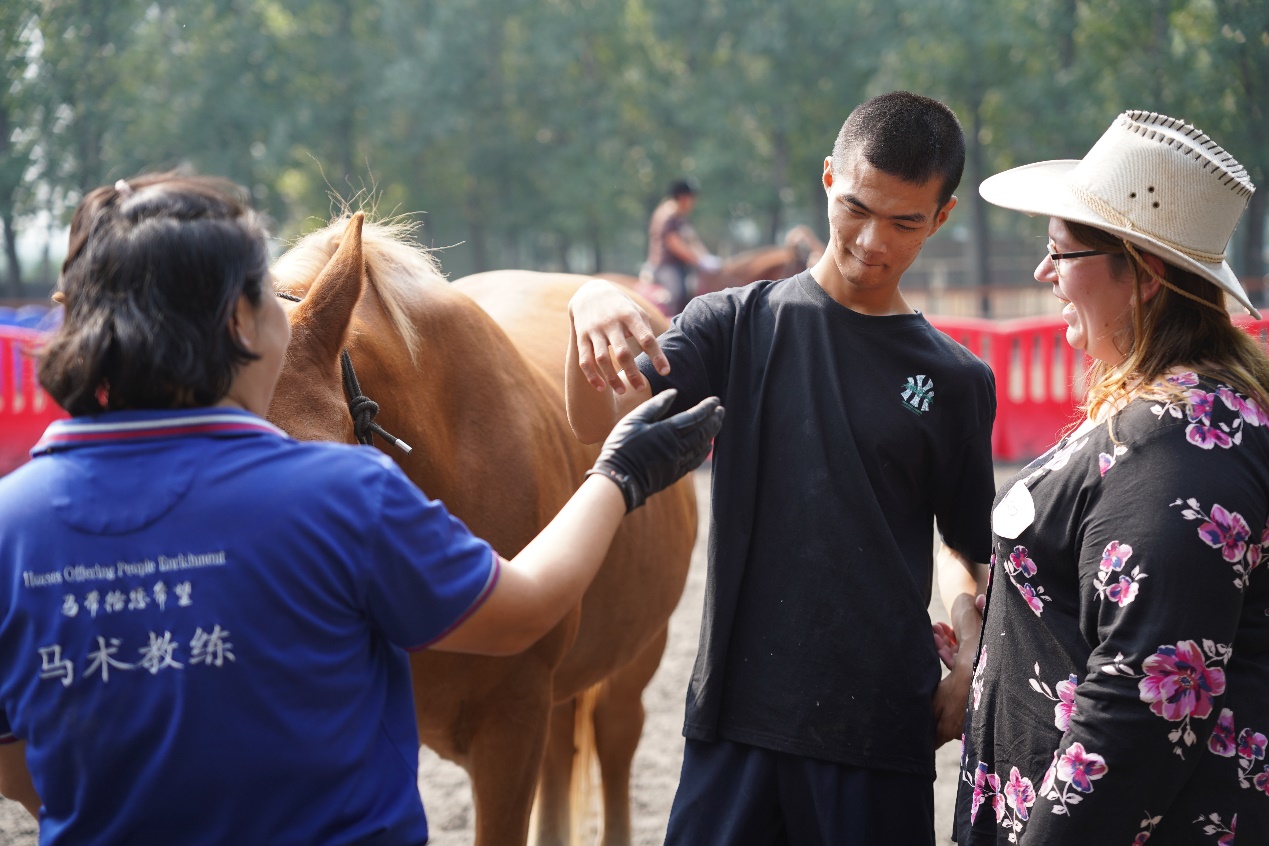
At HOPE, which offers equine-assisted rehabilitation, children ride, lead and groom horses, building trust with them. Guided by instructors, children with special needs try movements on horseback. These seemingly small advances may be steps toward a wider world.
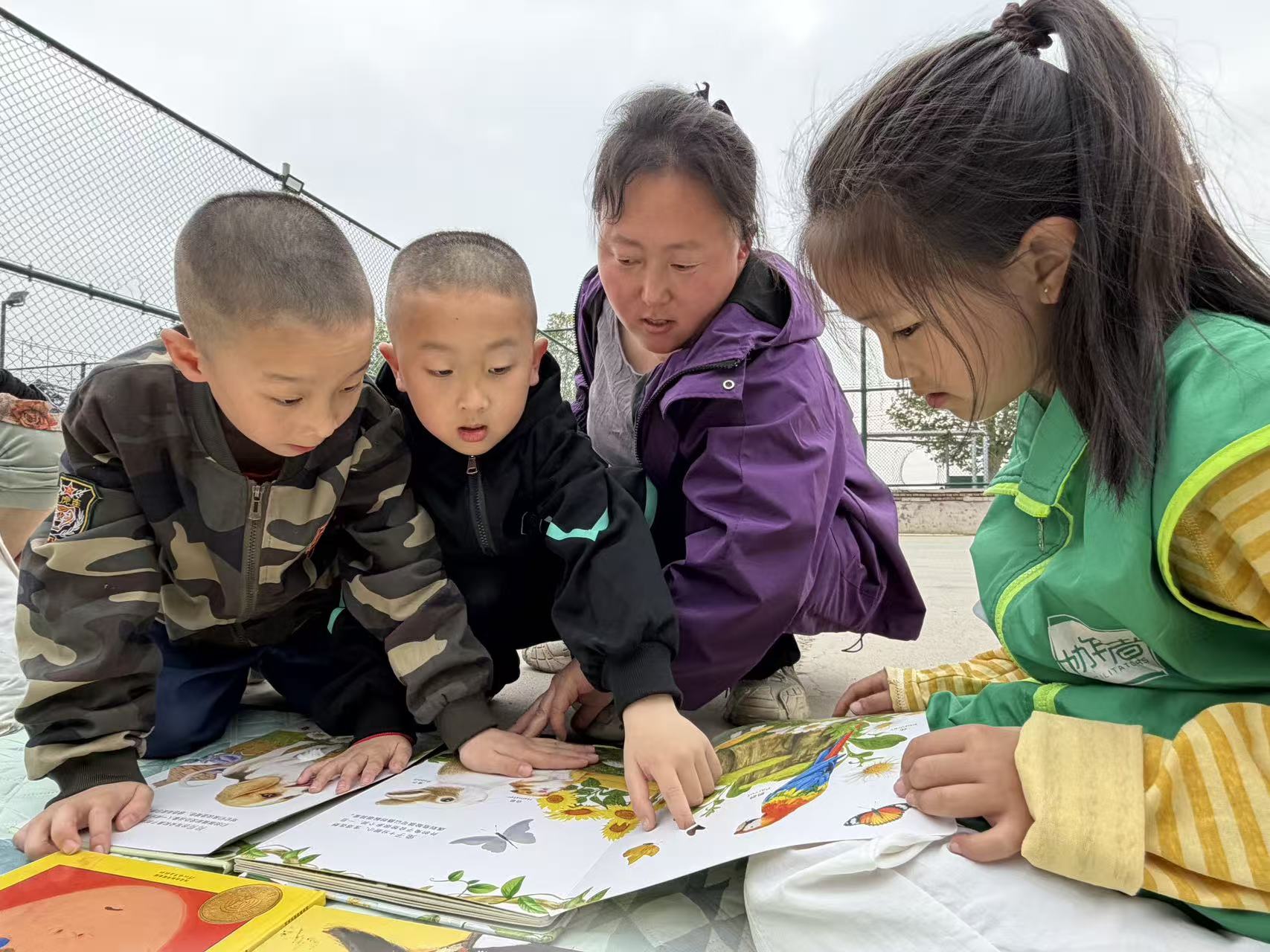
In migrant communities, Facilitators sets up small libraries in children’s homes and invites them to become “little librarians,” organizing books, managing loans and arranging reading activities. The shelves may be small, but they create another place to read in the neighborhood and help children develop responsibility and confidence by helping others.
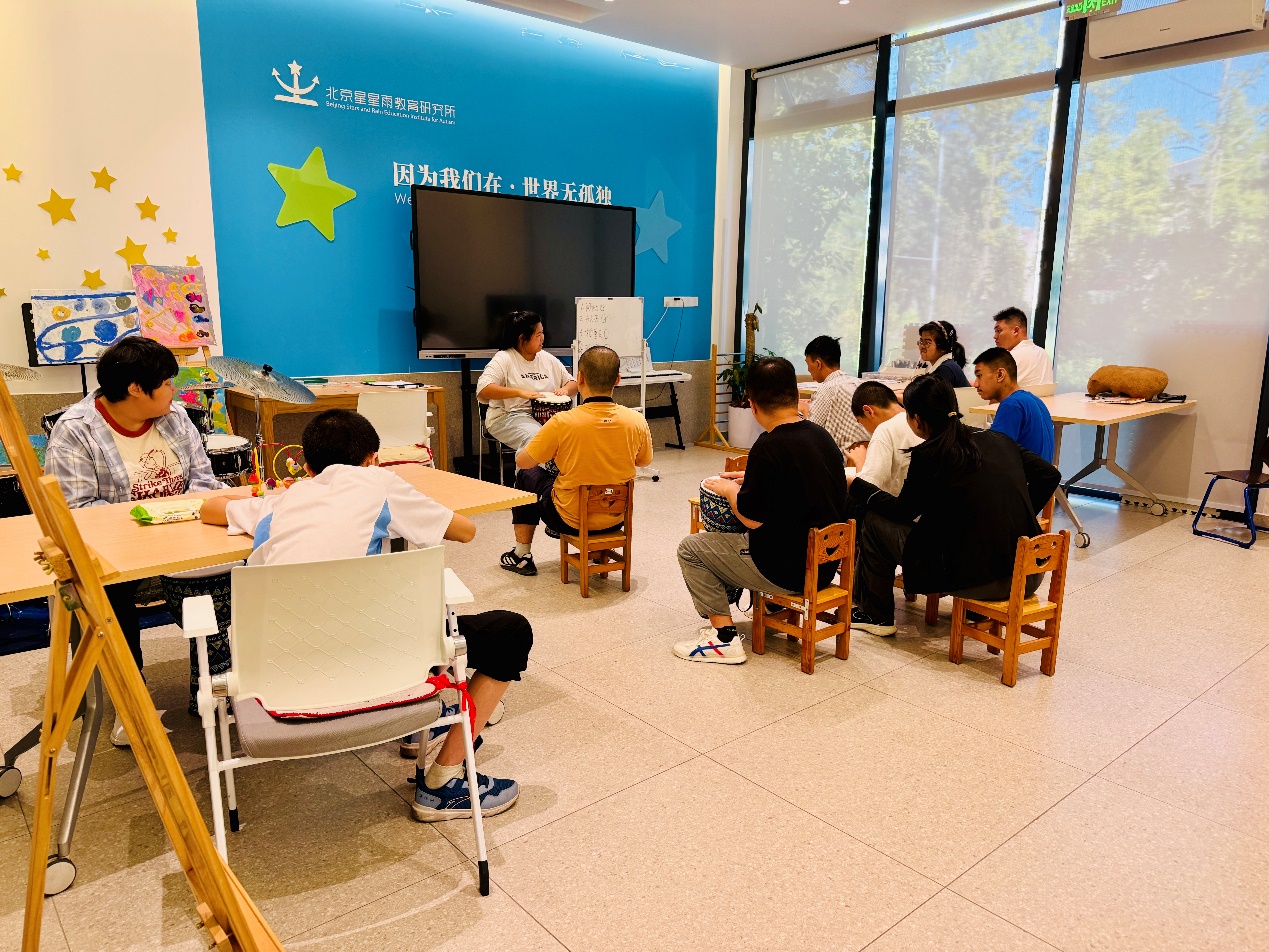
At Stars and Rain, teachers help young autistic children adjust to school and interact with their peers, while also offering social skills training for adolescents. Starting school, learning to communicate and trying to live independently all take patience. Everyone deserves friends and a place where they belong.
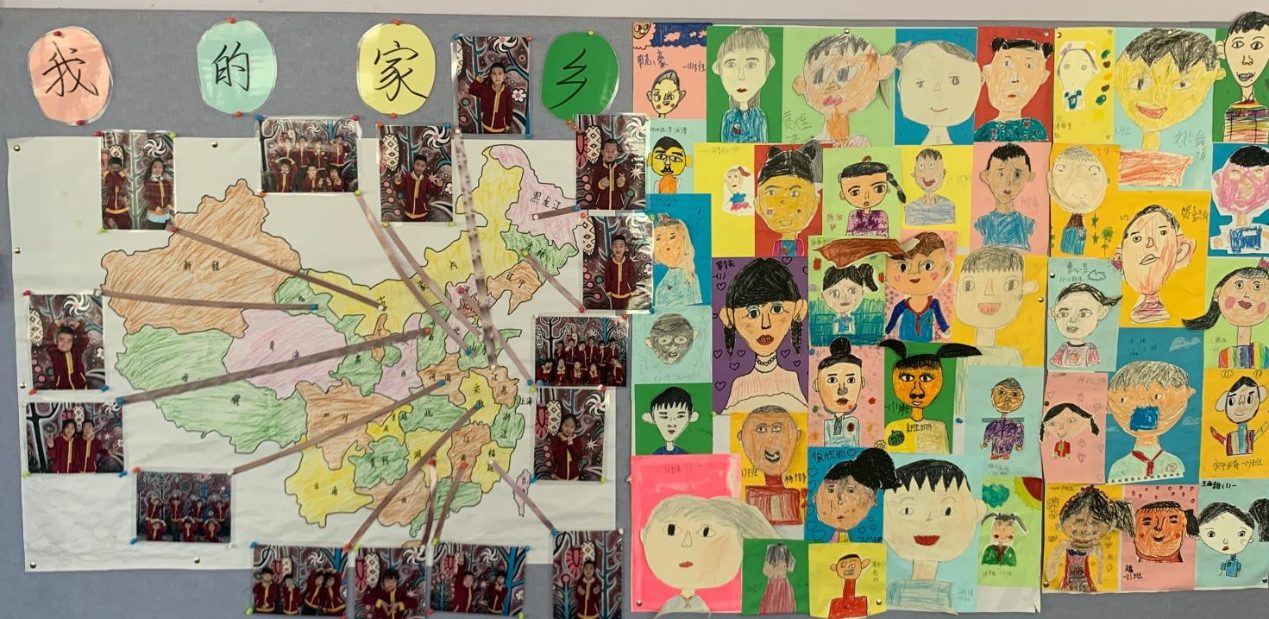
At Dandelion Middle School, children and adolescents from migrant families across the country can continue learning in a classroom instead of having to give up their education too soon. Education gives them more than a report card: it gives them the chance to choose their future path.
These organizations serve different groups, but they share one thing: lasting change often grows from years of steady companionship. A meal, a lesson or a rehabilitation session all depend on reliable staff and funding. We saw the children’s smiles, and we also heard about the organizations’ difficulties with rent, supplies and operating costs.
We are especially grateful to the teachers, caregivers and social workers who care for these children day after day, away from the spotlight. We also thank everyone who supports the German Charity Christmas Bazaar. The tickets you buy, the wine and food you enjoy, the charitable products you choose and the time volunteers give have continually translated into practical help.
When you visit the German Charity Christmas Bazaar this winter, we warmly invite you to enjoy performances by the children and the organizations, and to stop by the organizations’ stalls to discover the Christmas items they have carefully made or selected. What you take home is more than a gift: your purchase can bring a child far away a warmer, more hopeful day.
